Sour Patch Kids: Wood Sorrel
Kids have been foraging for generations without even realising it. Wood Sorrel, Soursob, Sour Grass, whatever you wanna call it, has been eaten on school ovals since the ’80s.

Wood Sorrel is abundant. It grows everywhere, from the middle of the forest to your own backyard. It's deliciously sour, with notes of lemon, green apple and grass.

When I was a kid, schoolyard rumours claimed it was sour because a dog pissed on it. The real culprit isn't a dog, but a mix of acids (oxalic, citric and ascorbic).

It's so easy to identify that even kids know what it is. Yet somehow, it's still the most misidentified plant on the planet.

Wood Sorrel is not clover! Sure, they both have three leaflets. Clover has three oval leaflets, while Wood Sorrel has three heart-shaped leaflets. Once you start looking for those three little hearts, you'll never mix them up again.

It also has nothing to do with the larger plant commonly known as sorrel, despite sharing a name. Sorrel (also known as dock) belongs to the Rumex genus, while Wood Sorrel belongs to Oxalis.

There are hundreds of different types of Wood Sorrel, and Melbourne has a mix of native and introduced species. They're all good to eat. The most common is the invasive Oxalis pes-caprae, with its little green leaves and bright yellow flowers. But you'll find plenty of others too. Here's what to look for when identifying Wood Sorrel:

Leaf:
• 3 heart-shaped leaflets
• Usually green, but some varieties are red, purple or black
• Rarer varieties are more angular shaped, like a notched triangle
• Anywhere between 1cm and 10cm
• Grows close to the ground
• Leaflets fold down at night or in the rain

Flowers:
• Usually yellow, but sometimes pink, purple or white
• 5 petals
• Matte; never shiny or shimmery
• Flowers most abundant in spring
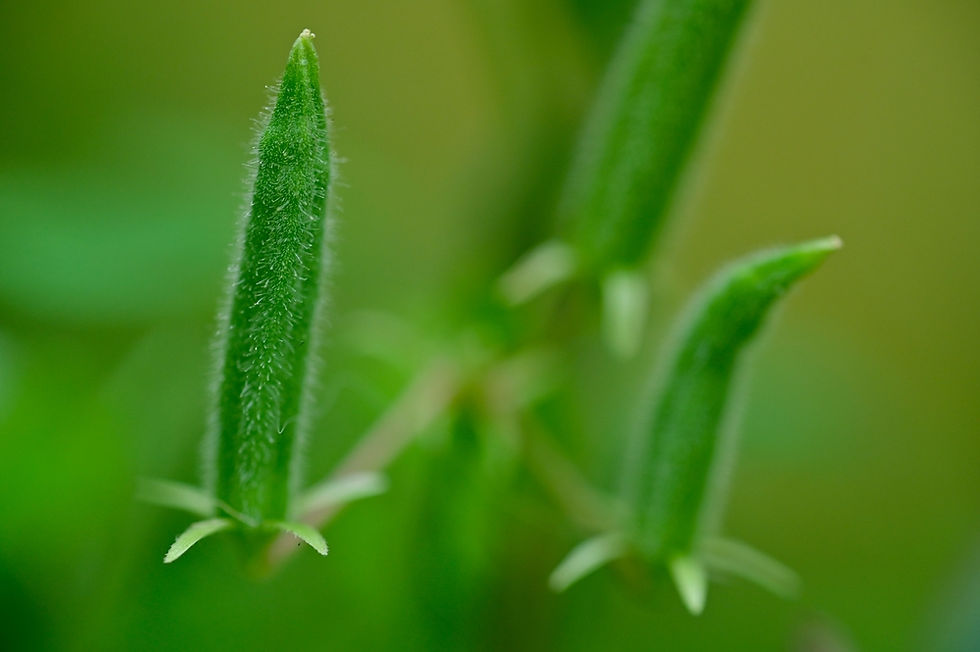
Seed Pods:
• Thin seed pods, 1-2cm long
• Known as fairy pickles or sour bananas, cutest names ever
• Will explode to spread seeds
• Most common in late spring or summer

Roots:
• Thin roots
• In autumn, it develops its knobbly tubers

Season:
• Year round, but best in spring

Lookalikes:
• Wood Sorrel flowers can sometimes be mistaken for toxic buttercups
• If you're just picking the flowers, still observe the leaves to exclude toxic lookalikes.

Make sure you're not harvesting in an unclean area. Avoid roadsides or your local dog park. Otherwise there might be some truth to the dog pee flavour. There are many pristine areas around Melbourne where you can forage. Try along the creek or in an unsprayed garden.

The leaves are a great substitute for lemon. They're best eaten raw, as cooking will dull their flavour.

Try it with fish or seafood, throw it over roast vegetables, or toss it through a potato salad. It works in hummus and pesto too, and makes a great finishing touch for pasta and risotto. Those little hearts are almost too cute not to put on everything. I've even seen them turned into bright green sorbet and ice cream.

You can also add them to green smoothies or juices. I add the bright green juice into vodka or gin cocktails, though I find also adding a squeeze of lemon juice really brightens its flavour in drinks. Float a Wood Sorrel flower on top, and voilà! You're all set with an Instagrammable poolside beverage.

It's easy to consume a lot of Wood Sorrel when it's juiced or blended, but it's best not to have large amounts every day. Oxalic acid can interfere with calcium absorption when consumed in excess. Don't let that put you off altogether, though. Spinach, rhubarb and beetroot also contain oxalic acid, and they don't come with a warning.

Wood Sorrel has a surprisingly long culinary history, with some traditional uses dating back thousands of years. In India, it was sautéed with chillies and cumin to make a side dish, while the French turned it into soup with other julienned vegetables. Across Europe, it was also made into a refreshing drink to ward off scurvy, thanks to its high vitamin C content. The Brits crushed it with sugar and vinegar to make a sweet and sour sauce to serve alongside meat. Early Australian colonisers even baked it into pastries and tarts, using its sour flavour as a substitute for berries.

While the leaves are easy to harvest, the underground tubers have also been an important food source in many cultures. They look like mini knobs of galangal or Jerusalem artichokes. Some Aboriginal groups roasted them in an earth oven, which is a hole filled with hot stones. Elsewhere around the world they were boiled. The tubers taste like lemon, coconut and potato.

Wood Sorrel wasn't just good for eating. The oxalic acid in its leaves made it useful for cleaning fabrics, particularly for removing rust stains. It can also produce a beautiful bright yellow fabric dye without needing a mordant to set the colour.

It might have even found its way into a bit of Irish folklore, with a connection to St Patrick and the famous shamrock.

The trouble is, nobody seems to agree on what the shamrock actually is! Some illustrations show Wood Sorrel's familiar heart-shaped leaves, others show clover, and written descriptions vary. I suspect a few too many pints of Guinness have got in the way of a proper botanical investigation!

Whatever the case, keep an eye out for the occasional four-leafed Wood Sorrel. It might bring some good luck!

Whether or not it brings luck, it's worth finding some. Next time you're out on a foraging adventure, keep an eye out for Wood Sorrel too. It's a nice little snack to keep you going while you're on the hunt!


Comments